
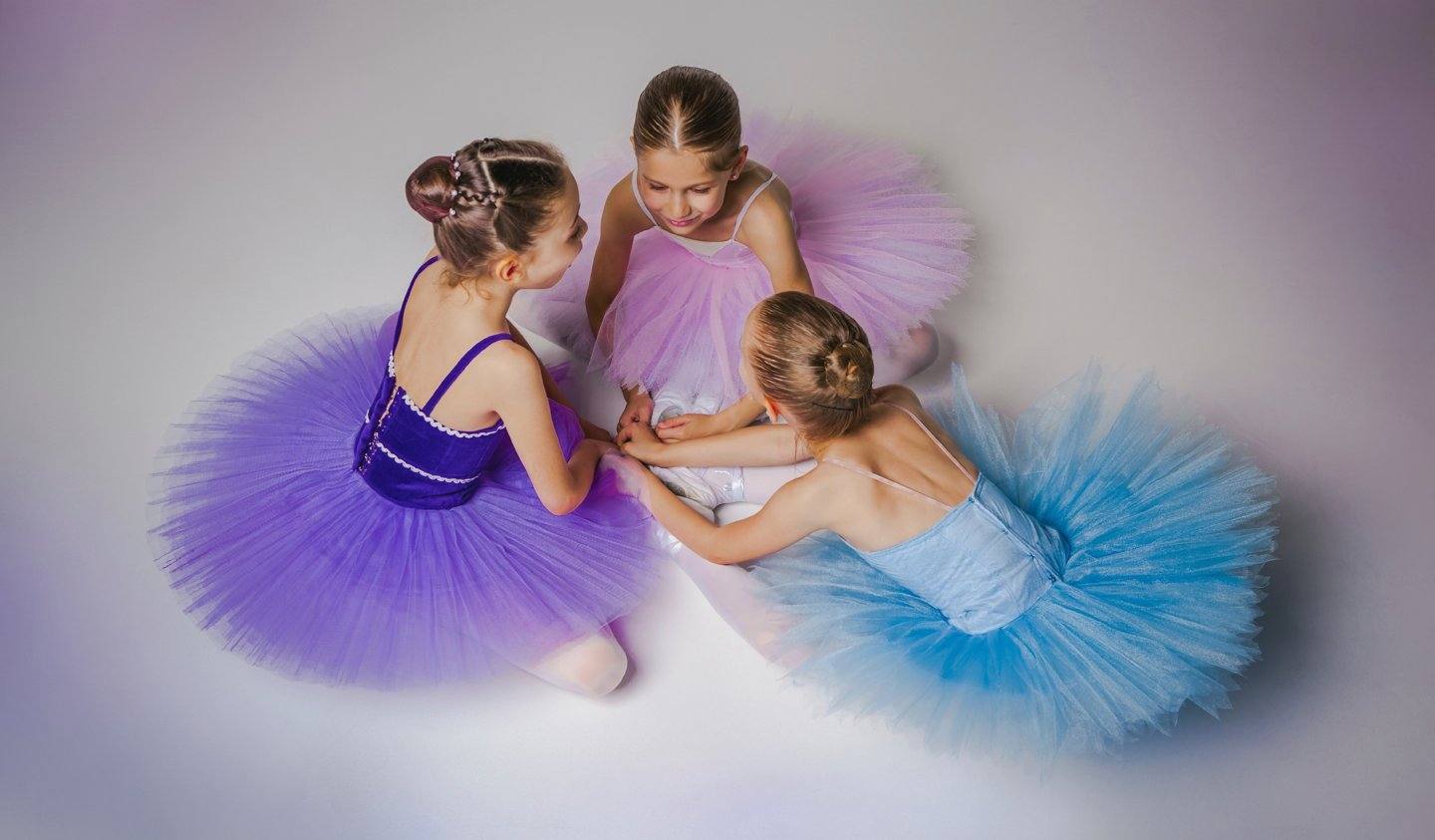
Dance gives children a great deal — not only for their physical and mental development, but for the shaping of their character.
For the body
good physical fitness
correct posture
healthy weight, and losing excess weight
better balance and flexibility
help with flat feet, scoliosis, kyphosis, lordosis, bow legs and knock knees — conditions that appear at a young age
For the mind
greater self-confidence
expressiveness
an emotional outlet
a love of being active
Children exercise while having fun, and in doing so become more sociable, learn discipline, and gain a sense of respect and self-respect. They also learn to express themselves not only in words but through movement, adapting it to the style and rhythm of the music.
More broadly, dance helps build a well-rounded personality and encourages children to love themselves. Through dance they develop social and communication skills, in an environment that grows trust and cooperation.
For a shy child, a dance class builds confidence: they meet other children their age, get past the anxiety of new people and places, and learn to work both on their own and as part of a group.
Studies show that children who dance do better at school too. Dance takes practice, discipline and commitment — the same abilities a child needs later in their studies. With dance in their life, a child develops timing, coordination and responsibility.
Children also learn from their mistakes, take constructive criticism more easily and use it to improve. Above all, they learn to compete in a healthy way.
A child does not need a so-called “ideal body” to start dancing. Every child, whatever their build, has the right to dance and to enjoy everything it gives.